

Description
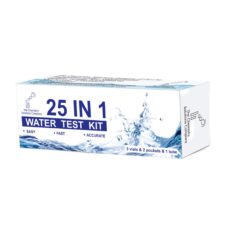
The Environmental Baseline Check is an essential diagnostic suite designed to establish a safety and mineral profile for untreated water sources. This package is recommended as a primary baseline for an Environmental Sample (such as spring water, rainwater, or surface ponds).
.
What’s tested
Biological
– E.coli/coliform: Qualitative analysis to detect the presence or absence of harmful bacteria (48-hour incubation)
Physical
pH: Measurement of acidity or alkalinity.
Electrical Conductivity (EC): Indicator of dissolved mineral and metal content.
Oxidation-Reduction Potential (ORP): Assessment of the water’s chemical hygiene and sanitization potential.
Salinity: Concentration of dissolved salts.
Specific Gravity (S.G.): Measurement of water density relative to pure water.
Total Dissolved Solids (TDS): The total concentration of all inorganic and organic substances.
Chemical
Full Chemical & Heavy Metal Suite: We analyzes the sample for the following concentrations:
-
Nutrients & Salts: Nitrate, Nitrite, Ammonia, Phosphate, Potassium, Sulfate, and Fluoride.
-
Metals & Heavy Metals: Aluminium, Chromium, Copper, Iron, Lead, Manganese, Mercury, and Zinc.
-
Sanitization & Chemistry: Free (Residual) Chlorine, Total Chlorine, Bromine, Cyanuric Acid, Total Alkalinity, Carbonate Root, and Total Hardness.
This baseline check is highly recommended if you:
-
Utilize raw water sources: Your primary water comes from an Environmental Sample (such as a natural spring, creek, or river).
-
Harvest rainwater: You collect water in a catchment, cistern, or other harvesting systems.
-
Detect sensory issues: The water tastes metallic or bitter, or smells musty, moldy, or mildew-like.
-
Observe biological growth: You see biofilm buildup, algae, or other microbial growths in your storage tanks or harvesting system.
-
Protect vulnerable individuals: You have young children, elderly residents, or immunocompromised individuals using the water.
-
Manage proximity risks: You have a septic tank or livestock near your well or water source.
-
Plan for recreation: You intend to use the water source for swimming, ponds, or other recreational uses.
How it works

How it Works – What’s needed from you?
1. Prepare Your Sample: Collect 1L of the water sample in a sterile container.
-
For Natural Sources: Submerge the bottle and fill directly, avoiding surface debris.
-
Safety: To ensure the integrity of the biological results, do not rinse the bottle before filling and avoid touching the inside of the cap.
2. Complete the Sample Information Card Include the following details with your shipment:
-
Contact Info: Full name, phone number, and email.
-
Collection Data: Exact date and time of sample collection.
-
Water Source: Specify the origin (e.g., “Natural Spring,” “Rainwater Tank,” “Surface Pond”, ” “Abandoned Mine Pit,” “Rainwater Tank”).
-
Specific Concerns: Note any unusual colors, smells, or specific reasons for testing.
3. Shipping & Logistics
-
Courier Service: Shipping is on you unless you already paid for it. When your sample is ready for collection, let us know, and we will coordinate a courier collection.
-
Cold Chain: Some biological parameters require the sample to remain chilled. If your kit includes refrigeration items, please use them to ensure the sample reaches the lab at the correct temperature.

Reviews
There are no reviews yet.