

Description
In a saturated craft beer market, consistency is your greatest competitive advantage. Whether you are scaling up a recipe or switching to a new water source, your water chemistry dictates the final flavor of your pour. The Brewmaster’s Signature Profile is a specialized diagnostic audit for The “Brewmaster’s Signature” Profile (including strike water, sparge water, and final liquor tanks).
The “Flavor Fingerprint”
Our killer feature: We provide the Chloride-to-Sulfate Ratio, the “holy grail” of brewing science. This ratio tells you exactly how your water will influence the palate—whether it will accentuate the bitterness of a West Coast IPA or the silky maltiness of a Stout.
What’s tested
Biological (The “Fermentation Integrity” Check)
-
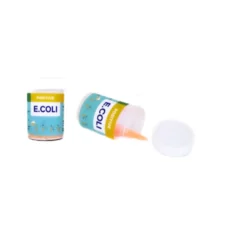
Total Coliform & E. coli: Qualitative analysis (48-hr incubation). Ensures that your source water is free of wild bacteria that can cause off-flavors, “gushers,” or batch spoilage.
Physical (The “Mouthfeel” Dynamics)
-
pH: Critical for mash efficiency and enzyme activity.
-
TDS & EC: Measures the mineral density that contributes to the “body” of the beer.
-
ORP, Salinity, & S.G.: Essential for monitoring the baseline density and oxidation potential of your brewing liquor.
Chemical (The “Recipe Precision” Suite)
-
The Flavor Pillars: Sulfate & Chloride (for the hop-to-malt balance), Total Hardness, and Total Alkalinity (to manage mash pH and “crispness”).
-
Mineral Profile: Calcium, Magnesium, Potassium, Carbonate Root, and Phosphate (crucial for yeast health).
-
The “Off-Flavor” Screen: Iron, Manganese, Copper, Zinc, and Aluminium (metals that cause metallic or blood-like tastes).
-
Industrial & Agricultural Markers: Nitrate, Nitrite, Ammonia, Fluoride, Mercury, Chromium, and Lead.
-
Sanitization Residuals: Free/Total Chlorine, Bromine, and Cyanuric Acid (ensures zero chlorine carryover, which causes medicinal “chlorophenol” off-flavors).
Is this the right test for you?
This profile is essential for brewers who:
-
Demand Batch-to-Batch Consistency: You need to ensure that the water profile used in January is identical to the one in July.
-
Are Adjusting Water Chemistry: You use RO water and need to know your baseline before adding gypsum or calcium chloride.
-
Notice Flavor Drifts: Your beer has developed a sudden metallic, salty, or “medicinal” character.
-
Utilize Ground Water: You are brewing with a Brewmaster’s Signature Profile (such as a borehole or spring) and need to monitor seasonal mineral fluctuations.
-
Protect Yeast Health: You want to ensure the Zinc and Magnesium levels are optimal for healthy fermentation cycles.
.
How it works

How it Works – What’s needed from you?
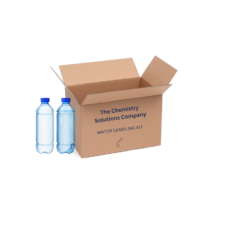
1. Prepare Your Sample: Collect 1L of the water sample in a sterile container.
-
The Brew-Day Rule: Collect water from the exact point where it enters your HLT (Hot Liquor Tank) or Mash Tun.
-
Safety: Do not rinse the bottle. If your system has a carbon filter, collect a sample after the filter to ensure it is effectively removing chlorine.
2. Complete the Sample Information Card. Include the following data:
-
Brewery Info: Name, head brewer contact, and email.
-
Collection Data: Date and time (water chemistry in municipal systems can shift weekly).
-
Source Description: Specify (e.g., “Post-Carbon Filter Tap,” “Untreated Borehole,” “RO Storage Tank”).
-
Target Style: Note if you are troubleshooting a specific style (e.g., “IPA Bitterness issues”).
3. Shipping & Logistics
-
Courier Service: Notify us once the sample is secured; we will dispatch a courier for collection (unless prepaid).
-
The “Cold Chain”: Many chemicals and biological markers are temperature-sensitive. For example, Nitrates and bacteria “die off” or change in high heat. Please use refrigeration items (e.g., frozen gel packs) to maintain a temperature of 2°C to 8°C during transit, ensuring your “Flavour Fingerprint” is scientifically accurate.
Reviews
There are no reviews yet.