

Description
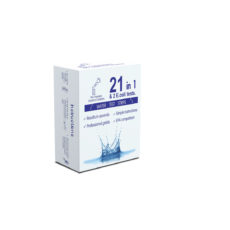
Smart leak detectors and water monitors (like Flo by Moen, Phyn, or Rachio) are only as intelligent as the data you give them. These devices often trigger frustrating false alarms or fail to detect real issues because they aren’t calibrated to your specific water chemistry. The “Smart-Home” Sensor Calibration is a specialized diagnostic audit for The “Smart-Home” Sensor Calibration (including smart leak detectors, digital flow meters, and smart irrigation controllers).
The “Precise Digital Baseline” Our killer feature: We provide the exact Electrical Conductivity (EC) and Total Dissolved Solids (TDS) values required for your app’s advanced setup. By inputting our lab-certified baseline, you eliminate false “leak” alerts caused by mineral fluctuations and ensure your sensor’s ultrasonic or pressure-sensing tech is perfectly tuned to your home’s unique “water signature.”
What’s tested
Digital Calibration Parameters (The “App-Sync” Suite)
-
Electrical Conductivity (EC): The primary value used by sensors to determine water identity and detect changes in flow.
-
Total Dissolved Solids (TDS): Essential for calibrating “water health” scores in smart home dashboards.
-
pH & Specific Gravity (S.G.): Baseline values that help sensors differentiate between a pipe leak and a change in water source.
Biological (The “Health Alert” Check)
-
Total Coliform & E. coli: Qualitative analysis (48-hr incubation). High-tech homes still face low-tech risks; we ensure your smart system isn’t circulating bacteria from a compromised line.
Full Chemical & Heavy Metal Suite
We analyse the sample for the following to ensure your sensors aren’t being corroded from the inside out:
-
The “Corrosion Screen”: Copper, Iron, Lead, Zinc, and Aluminium. (Leaching metals can foul sensor probes).
-
Nutrients & Salts: Nitrate, Nitrite, Ammonia, Phosphate, Potassium, Sulfate, and Fluoride.
-
System Hardness: Total Hardness, Alkalinity, Carbonate Root, and Calcium (critical for predicting when your smart valves might seize due to scale).
-
Sanitization Markers: Free/Total Chlorine, Bromine, Cyanuric Acid.
Is this the right test for you?
This calibration suite is essential if you:
-
Own a Smart Water Monitor: You use devices like Phyn, Flo, or Streamlabs and want to stop false alarms.
-
Have a Smart Irrigation System: You use a Rachio or RainMachine and need to calibrate for Salinity and TDS to protect your landscaping.
-
Notice “Ghost” Alerts: Your app tells you there is a “change in water quality” or a “micro-leak” that you cannot find.
-
Use Alternative Sources: You are feeding your smart home with The “Smart-Home” Sensor Calibration (such as a borehole or wellpoint) and need to account for high mineral content.
-
Want Device Longevity: You want to know if high Hardness or Sulfates will shorten the life of your expensive smart valves.
.
How it works

How it Works – What’s needed from you?
1. Prepare Your Sample Collect 1L of the water sample in a sterile container.
-
The Point-of-Entry Rule: Collect the sample from a tap located immediately after your smart sensor. This ensures the lab sees exactly what the sensor is “feeling.”
-
Safety: Do not rinse the bottle. Avoid touching the threads of the cap to prevent false biological readings.
2. Complete the Sample Information Card Include the following data for our technicians:
-
User Info: Name, contact number, and email.
-
Collection Data: Date and time of collection.
-
Device Info: Specify your smart device (e.g., “Flo by Moen,” “Phyn Plus,” or “Rachio”).
-
Current App Reading: Note the TDS/EC value your app is currently displaying (we will verify its accuracy).
3. Shipping & Logistics
-
Courier Service: Notify us once the sample is secured; we will dispatch a courier for collection (unless prepaid).
-
The “Cold Chain”: To ensure your “Digital Fingerprint” is scientifically accurate and based on stable data, maintain a temperature of 2°C to 8°C during transit (please use refrigeration items (e.g., frozen gel packs)). Many chemicals and biological markers are temperature-sensitive. For example, Nitrates and bacteria “die off” or change in high heat.
Reviews
There are no reviews yet.